
Learning
Nurturing both the heart and the mind
From Reception through to GCSE, children develop Qur’anic literacy, Islamic knowledge, character and confidence through engaging Sunday learning.
“Seek knowledge from the cradle to the grave”
Educational philosophy
Our approach
Knowledge with understanding
At SMS, Islamic education nurtures both heart and mind. Our approach is built on five core values:
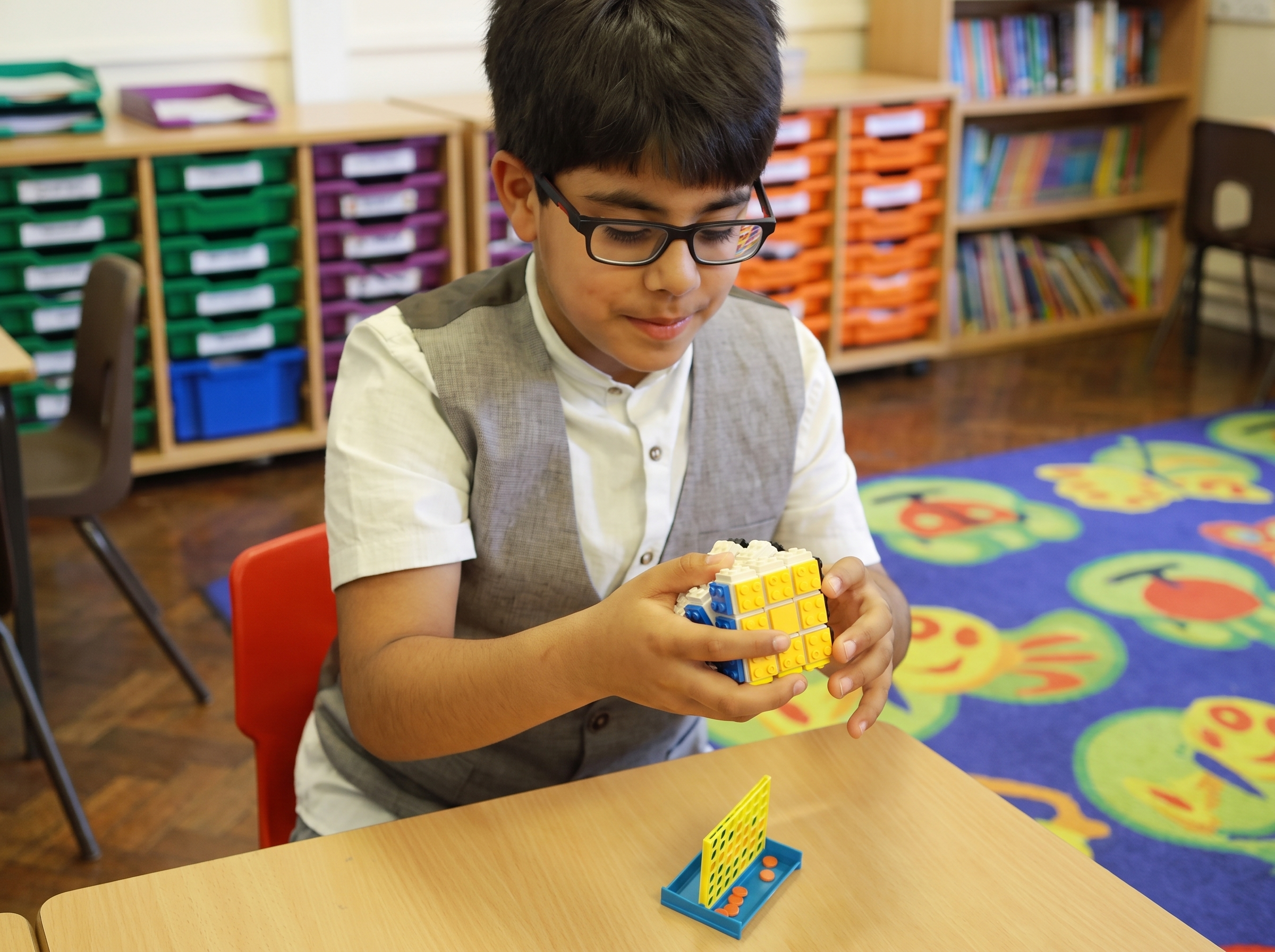
How we teach
Balancing knowledge with character
Our teaching seeks to balance knowledge with understanding, worship with character, and faith with thoughtful engagement. Children are encouraged to ask questions respectfully, think critically within an Islamic framework, and appreciate that seeking knowledge is a lifelong journey.
We recognise that every child is unique. Our aim is to create a welcoming and engaging learning environment where children feel valued, develop confidence in their abilities and build a deep and lasting connection with Allah (swt) and His Messenger (s).
Children are placed according to their learning rather than their age alone, and placement is reviewed as teachers get to know each child. Where a child joins an older class, we ask parents to work closely with their teacher so they can catch up comfortably.
- To learn how to incorporate Qur’anic teachings practically into our everyday lives.
- To understand the importance of the Sunnah of the Prophet (s) and its implication for today’s world.
- To promote the importance of Arabic language that unites all Muslims.
Qur’an · Arabic Language · Islamic Studies
Curriculum
A building block system
The Qur’anic, Arabic Language and Islamic Studies curriculum are developed with a “building block system”.
What this means is that all our key curriculum subjects will start with “beginnings” and will develop year by year.
For example in Reception Class Arabic lesson we start with the basic alphabet, basic words and short surahs. In the Islamic Studies classes will start with the story of Creation, Prophet Adam (as) and the birth of Prophet Mohammed (s).
Each year the curriculum in each subject will progress similar to “building bricks” and added to each other.
Students who do not join the SMS in the Reception Class will be encouraged to catch up at home and where possible are supported by classroom assistants at the SMS.
Pearson Edexcel International GCSE (4IS1)
GCSE Islamic Studies
Faith, scholarship and confident thinking
GCSE Islamic Studies at the SMS follows a two year course which is based on understanding the core principles of Islamic faith and critical contemporary issues.
Discussion, evidence & writing
Think deeply, argue confidently
Pupils learn to recall accurately, explain clearly and analyse different views. Classroom discussion gives them space to test an idea, listen respectfully and build a balanced response before committing it to writing.
Teachers model strong answers, break extended writing into manageable steps and give precise feedback. Retrieval practice, source analysis and timed questions build exam confidence without allowing examination technique to dominate every lesson.
What the course develops
Scripture in context
Passages from the Qur’an and Hadith studied alongside the topics they illuminate, not in isolation.
Historical understanding
The life of the Prophet ﷺ and the early Muslim community, and how both still shape Muslim life.
Reasoned argument
Selecting evidence, weighing different viewpoints and writing a balanced, well-structured response.
A recognised qualification
The Pearson Edexcel International GCSE in Islamic Studies, assessed by one externally examined paper.
Curriculum
The course brings together Islamic history, belief, practice and contemporary life, while steadily developing the skills pupils need to explain and evaluate ideas.
All classes from Reception to Year 8 follow our specially devised curriculum. After that they will be following the GCSE Edexcel Islamic Studies curriculum.
Students who are able to sit the exam will do so preferably in Year 10.
Students will be forwarded for this exam once a reasonable standard has been achieved.
Key objectives
Term dates
The year at a glance
The SMS runs every Sunday during term time, roughly 39 weeks of the year. We close for the winter, spring and summer holidays only — not for half term.
Autumn term 2026
September – December 2026
Spring term 2027
January – March 2027
Summer term 2027
April – July 2027
10.00am – 1.45pm, every Sunday in term time
A Sunday at the SMS
The shape of the day
Every Sunday is carefully structured to give children opportunities to learn, worship, build friendships and grow in confidence. Each part of the day has its own purpose, contributing to their spiritual, intellectual, social and personal development.
The school day
- 10.00
- Arrival
- 10.10
- Morning du‘ā
- 10.15
- Lesson 1
- 11.30
- Break
- 12.00
- Lesson 2
- 1.20
- Dhuhr prayer & assembly
- 1.45
- Home time
Please note that with the springtime clock change, Dhuhr prayer is held after the 11.30 break.
What each part of the day is for
Arriving and beginning with du‘ā
Children arrive from 10.00am and are welcomed by teachers and volunteers, giving them time to greet friends and settle. The day begins with the whole school lining up to recite Sūrah al-Fātiḥah and the morning du‘ās before going up to class — starting the day with intention, seeking beneficial knowledge.
Break time — friendship and belonging
Break gives children the chance to relax, have a snack and spend time with friends. These informal moments are just as important a part of school life: they build confidence, communication and lasting friendships, and strengthen each child’s sense of belonging within the SMS community.
Dhuhr prayer & assembly
Towards the end of the day the whole school gathers to pray Dhuhr in congregation. Children learn the practical aspects of ṣalāh and experience worship as part of everyday life, with older pupils taking turns to give the adhān and iqāmah. The assembly reinforces the day’s learning and marks important events in the Islamic calendar.
Continuing the journey
The day concludes at 1.45pm, but learning does not end when children leave the classroom. They go home carrying new knowledge alongside experiences of worship, friendship and reflection — we hope these spark conversations at home and strengthen the connection between home and school.
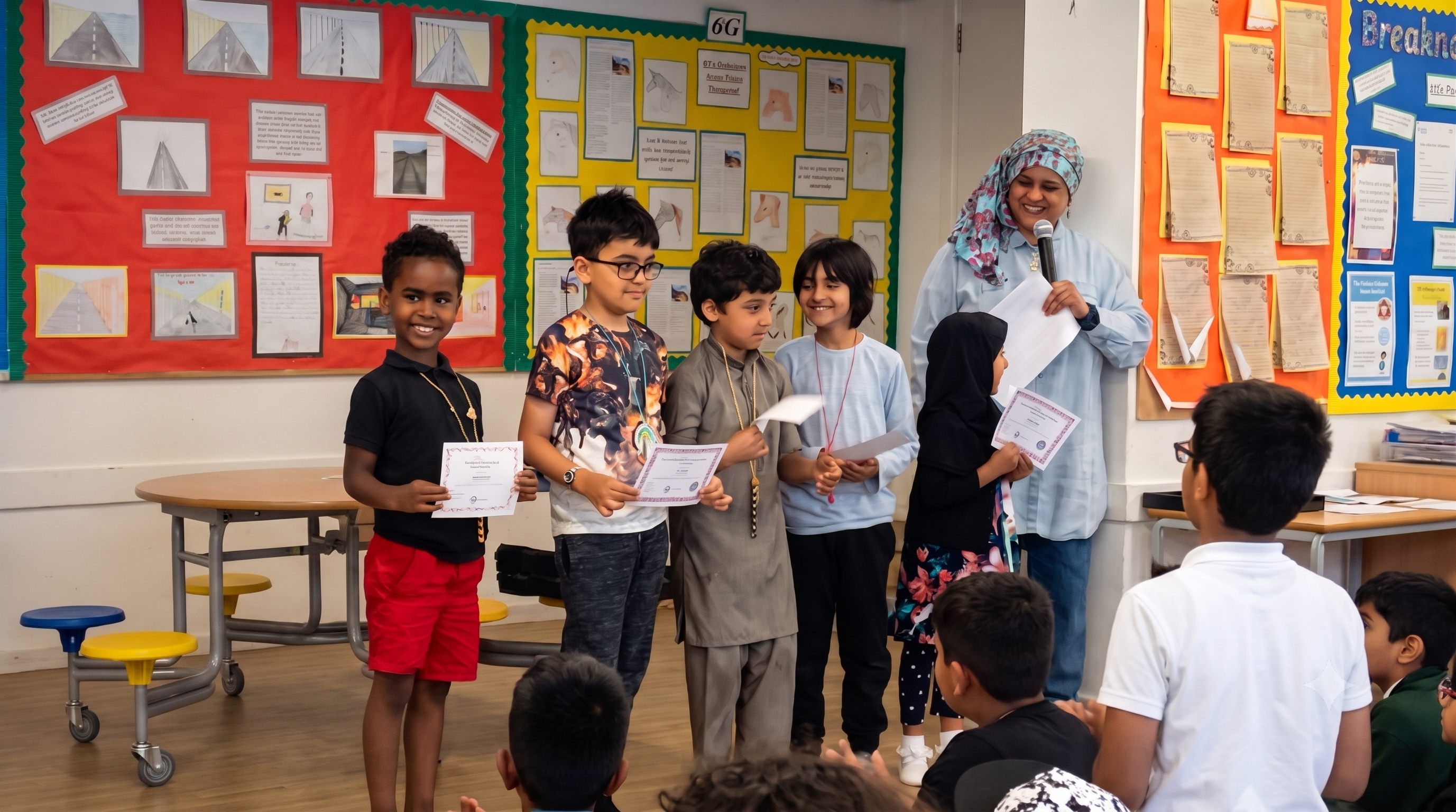
Creative learning
Learning beyond the classroom
Learning at the SMS extends beyond textbooks. Throughout the year we arrange special assemblies and events that encourage curiosity, teamwork and creativity — helping children appreciate Islam as a living faith that informs every aspect of life.
- Creative projects
- Educational workshops
- Guest speakers
- Community activities
- Celebrations of significant Islamic occasions
Frequently asked questions
The things parents ask us most often. If yours isn’t here, please get in touch — we would rather answer it properly.
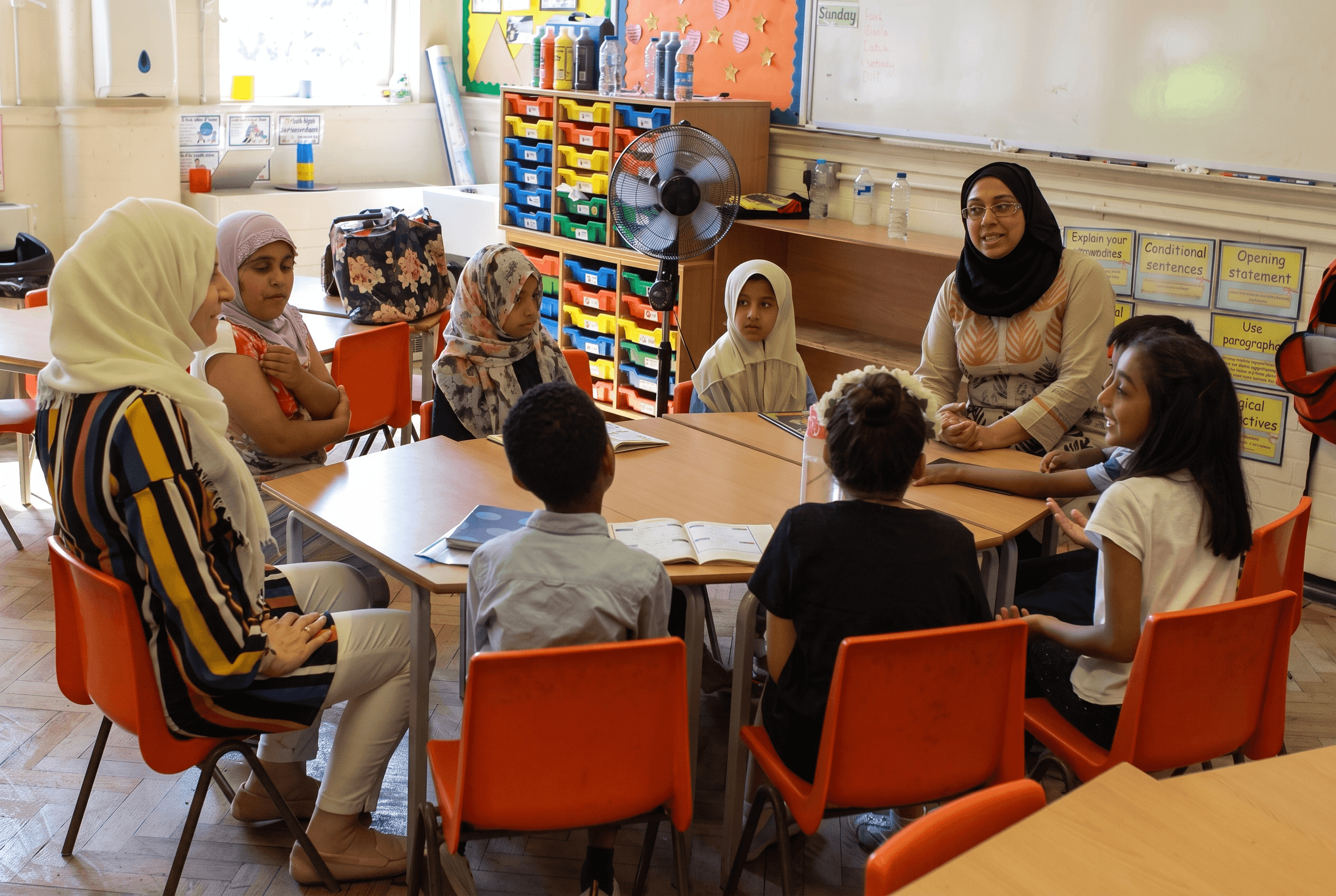
Visitand see a Sunday for yourself
The best way to understand the school is to come and see it. Meet the teachers, see the classrooms and ask whatever you need to.
Book a visit